Welcome to The NB Edit–your insider guide to treatments, products, and services here at Newport Beach Medspa. Today, we’re diving into one of the most frequently asked questions we get from clients: “What’s the difference between Botox and Dysport?”
Both are industry-leading injectable wrinkle relaxers designed to smooth expression lines and restore a youthful, refreshed look–but understanding their subtle differences can help you make the best choice for your skin goals. Botulinum toxins are a group of neurotoxic proteins produced by this bacterium, classified into several types (A to G), each with high potency and specific medical and cosmetic uses. The protein is widely used in both cosmetic and therapeutic settings. The term ‘botulinum neurotoxin’ refers to its mechanism as a neuromuscular blocking agent, acting on the nervous system by blocking neurotransmitter release at nerve endings, which leads to muscle paralysis and the desired clinical or cosmetic effects.
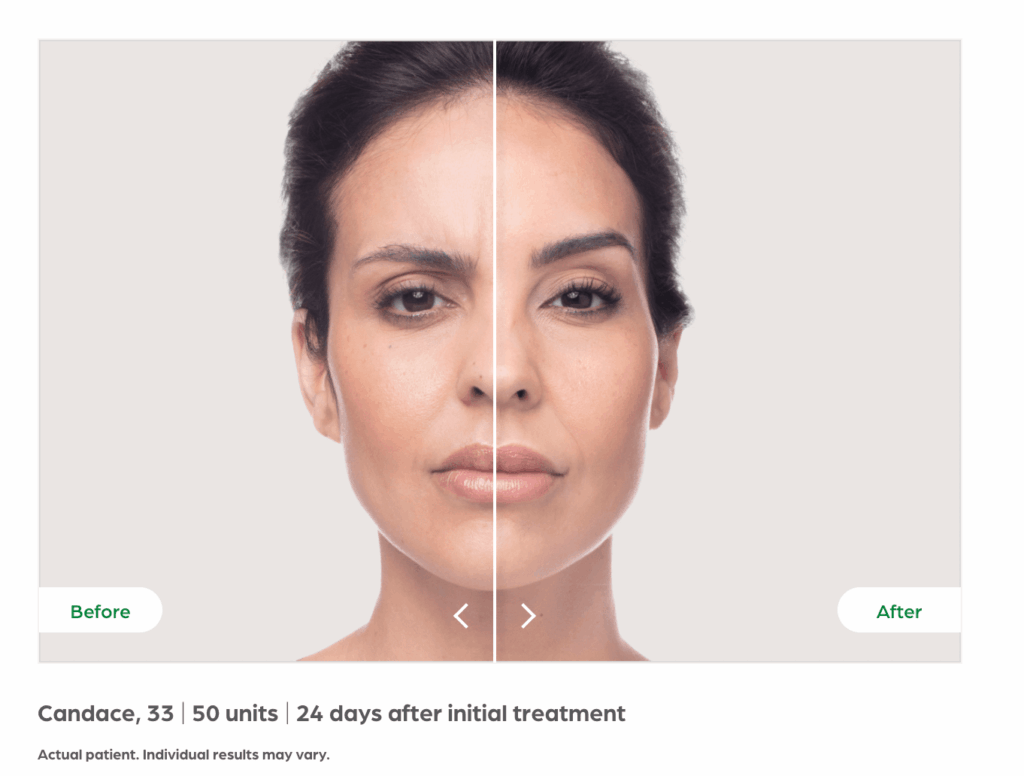
The toxin produced by Clostridium botulinum is responsible for both the therapeutic benefits and potential adverse effects seen with these treatments. Whether you’re new to neuromodulators or a long-time fan of injectables, this guide will break down everything you need to know before your next appointment.
Introduction to Botulinum Toxin
Botulinum toxin is a powerful neurotoxin produced by the bacterium Clostridium botulinum, and it has become a cornerstone in both cosmetic and medical treatments. While many people recognize it by the brand name Botox, this remarkable protein is used in a variety of botulinum toxin products designed to temporarily improve the appearance of facial wrinkles and address several medical conditions.
For cosmetic purposes, botulinum toxin type A—most commonly known as Botox Cosmetic—has been FDA-approved to treat moderate to severe frown lines, forehead lines, and crow’s feet lines. By targeting the facial muscles responsible for dynamic wrinkles, botulinum toxin injections work to relax these muscles, smoothing out lines and wrinkles that develop from repeated facial expressions. This makes botulinum toxin treatment one of the most popular non-surgical options for those seeking to refresh their appearance and reduce visible signs of aging.
Beyond its cosmetic benefits, botulinum toxin is also a valuable tool in managing a range of medical conditions. It is used to treat chronic migraines, cervical dystonia (a condition causing severe neck and shoulder muscle contractions), overactive bladder, excessive sweating, and even certain types of muscle spasticity. The ability of botulinum toxin type A to temporarily block nerve signals to muscles has made it an effective solution for conditions involving involuntary muscle activity or overactivity.
The safety and effectiveness of botulinum toxin injections have been well established through numerous clinical trials and years of use in both dermatologic surgery and pain management. However, as with any prescription medicine, there are potential side effects to consider, such as allergic reactions, partial facial paralysis, flu-like symptoms, or mild discomfort at the injection site. That’s why it’s essential to seek treatment from a qualified cosmetic surgeon or healthcare provider who can assess your needs and minimize risks.
As research continues, new formulations and uses for botulinum toxin are being developed, expanding its role in both cosmetic procedures and the treatment of medical conditions. Whether you’re looking to treat facial wrinkles, manage chronic headaches, or address excessive sweating, botulinum toxin type A remains a trusted and versatile option for patients and practitioners alike.
What are Botox and Dysport botulinum toxin treatments?
Botox and Dysport are both FDA-approved neurotoxins derived from botulinum toxin type A. They work by temporarily relaxing the facial muscles responsible for dynamic wrinkles–those that form from repeated facial expressions like smiling, frowning, or squinting. By preventing these muscles from contracting as strongly, Botox and Dysport allow the overlying skin to smooth out, reducing the appearance of fine lines and wrinkles over time.
Botox injections are commonly used for both cosmetic and medical purposes, and Botox-type injectables include several brands. Common treatment areas include:
- Forehead lines (the forehead muscles are a primary treatment area for reducing wrinkles)
- Frown lines (11s) between the brows
- Crow’s feet around the eyes
- Bunny lines on the nose
- Lip lines
- Chin
- Jawline slimming (Masseter’s)
- Shoulder slimming (trapezoids)
- Hands
- Neck (platysmal bands)
Both products are safe, effective, and widely trusted. The main differences come down to formulation, diffusion, onset time, and personal preference.
The Science Behind Wrinkle Relaxers
When injected, neuromodulators block the release of acetylcholine, a neurotransmitter that signals muscle contraction. Without this signal, the treated muscles relax, allowing your skin to smooth and soften. These treatments target facial movements to reduce dynamic wrinkles.
Over time, as the neurotoxin wears off, your muscle activity gradually returns–meaning maintenance treatments every 3-4 months are typically recommended to keep your results fresh and consistent. While Botox and Dysport share the same mechanism, they’re formulated differently, which affects how they behave once injected.
Botox: The Gold Standard
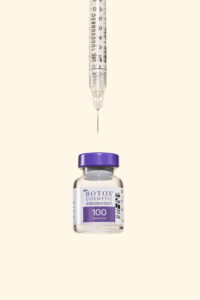
Botox Cosmetic (onabotulinumtoxinA) is the original and most widely recognized brand in the world of wrinkle relaxers. FDA-approved since 2002 for cosmetic use, it has over two decades of clinical studies and a strong safety profile.
What makes Botox unique:
- Precise targeting: Botox tends to stay localized, making it ideal for smaller or more delicate treatment areas that require precision–like around the eyes or lips.
- Gradual onset: Results typically start to appear in 3-7 days, with full results in about two weeks.
- Long-lasting results: Effects usually last 3-4 months, depending on your metabolism and muscle strength.
The actual treatment process involves a series of Botox injections, and a topical anesthetic may be applied beforehand to minimize discomfort. Botox is often preferred for clients who want meticulous control and subtle refinement–especially for first-timers or those focusing on specific facial muscles.
Dysport: The Smoother, Faster Option
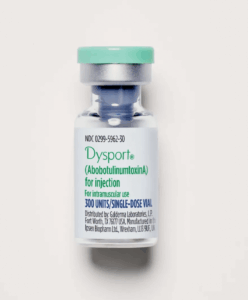
Dysport (abobotulinumtoxinA) was FDA-approved in 2009 and is known for its slightly lighter formulation and faster diffusion. It spreads more easily under the skin, making it a great choice for treating larger areas like the forehead or frown lines.
What makes Dysport unique:
- Faster onset: Results can start appearing as soon as 2-3 days after treatment–perfect if you have an event coming up.
- Natural, blended finish: Because it diffuses more readily, Dysport often creates a softer, more blended look–ideal for those who want movement that still feels natural.
- Comparable longevity: Results typically last 3-4 months, just like Botox.
Dysport’s diffusion can be an advantage for those with strong facial muscles or broader treatment zones, though it’s best administered by an experienced injector who understands how to precisely balance its spread. Both Dysport and Botox are widely used in cosmetic treatments and are considered non-surgical alternatives to cosmetic surgery.
Botox vs. Dysport Chart Comparison
| Botox: | Dysport: | |
|---|---|---|
| FDA Approval | 2002 | 2009 |
| Onset Time: | 3-7 days | 2-3 days |
| Duration: | 3-4 months | 3-4 months |
| Diffusion: | More localized | Spreads mor easily |
| Best For: | Targeted areas, precision work | Larger areas, smooth blending |
| Units Used: | Smaller conversion ratio | Spreads more easily |
| Look & Feel | Refined and controlled | Soft and natural |
Both provide beautiful, natural results when performed by skilled injectors–the choice often comes down to how your body responds, your aesthetic goals, and your injector’s recommendation.
What to Expect During Treatment
Whether you choose Botox or Dysport, the experience is virtually identical. Your provider will begin with a consultation to assess your facial anatomy, muscle movement, and aesthetic goals. Identifying the treatment area is crucial for optimal results. Treatment involves a series of small, quick injections with minimal discomfort–many clients describe the sensation as a light pinch.
You can return to your normal activities immediately afterward, though it’s recommended to:
- Avoid lying down or exercising for 4-6 hours post-treatment
- Refrain from touching or massaging the treated area
- Stay upright and hydrated
Dermal fillers, including those made with hyaluronic acid, may also be used as complementary treatments to enhance facial volume and rejuvenation. Results will gradually appear within a few days and continue to improve over the next two weeks.
How Long Do Results Last?
Both Botox and Dysport typically last 3-4 months, though this can vary based on factors such as:
- Your metabolism
- Muscle strength
- Dosage and placement
- Consistency of treatments
Most patients experience results lasting 3-4 months. Over time, regular treatments can actually help “train” your muscle to contract less strongly, meaning you may be able to go longer between visits while maintaining your smooth, youthful look.
Are There Any Side Effects?
Side effects from Botox or Dysport are generally mild and temporary. You may experience slight redness, swelling, or pinpoint bruising at the injection sites, which typically resolve within a few hours to a couple of days. More serious side effects are rare when administered by an experienced medical professional.
At Newport Beach Medspa, our injectors are highly trained in facial anatomy and dosing techniques to ensure safety, precision, and natural results every time. Drooping eyelids are a rare but possible side effect of Botox injections, and not Botox treatments may be recommended for certain patients, such as those who are breastfeeding. It is also important to discuss Botox cost with your provider, as pricing can vary depending on the treatment area, number of units, and provider expertise.
Which Wrinkle Relaxer is Right for You?
Choosing between Botox and Dysport depends on your aesthetic goals, facial anatomy, and personal preferences. You may prefer:
- Botox is used if you want a refined, precise correction for smaller areas.
- Dysport is if you’re looking for a softer, more blended finish or faster results.
During your consultation, your provider will assess your muscle movement, discuss your desired outcome, and help you decide which option is the best fit for your skin and lifestyle. In addition to wrinkle reduction, conditions such as excessive sweating and migraines can also be treated with Botox.
The Bottom Line
Both Botox and Dysport deliver incredible, confidence-boosting results when used correctly. Whether you’re smoothing fine lines, softening deep creases, or simply refreshing your overall look, neuromodulators remain one of the most effective, non-surgical solutions for facial rejuvenation. Botox treatment is a versatile option for both cosmetic and medical needs.
At Newport Beach Medspa, our expert injectors take a personalized approach to every treatment–combining advanced training, precision, and artistry to enhance your natural beauty.
Ready to find your perfect wrinkle relaxer?
Book your complimentary consultation with our experienced injectors today and discover whether Botox or Dysport is right for you. Call us at (949) 631-2800 or schedule your appointment online at www.newportbeachmedspa.com. Stay tuned for next week’s edition of The NB Edit, where we’ll explore how fillers and neuromodulators work together to achieve balanced, youthful facial harmony.
Signing off!