
Welcome back to The NB Edit, your trusted source for expert insight on treatments, skin health, and aesthetics at Newport Beach MedSpa. Today, we’re breaking down one of the most talked-about regenerative treatments in aesthetics and wellness: PRP, also known as Platelet-Rich Plasma. You may have heard PRP referred to as the “vampire facial” or seen it paired with microneedling, hair restoration, or injectables.
Normal blood is made up of red blood cells, white blood cells, platelets, and a liquid component called plasma. Plasma is the liquid portion of blood, serving as the medium for transporting blood cells and platelets throughout the body. Platelets play a crucial role in forming blood clots and supporting the healing process. PRP typically contains three to five times the number of platelets found in normal circulating blood, which enhances its healing potential.
But what exactly is PRP, how does it work, and why is it such a powerful addition to aesthetic treatments? Let’s dive in.
What is PRP?
PRP stands for Platelet-Rich Plasma, a concentration of platelets derived from your own blood. Platelets are rich in growth factors and proteins that play a major role in tissue repair, collagen stimulation, and healing. To produce PRP, a blood sample is drawn and placed in a centrifuge, which spins the blood at high speeds to separate and concentrate the platelets. PRP injections are prepared by taking one to a few tubes of a person’s own blood and spinning it in a centrifuge to separate the blood into its various components. The platelets are collected and concentrated to anywhere from 2 to 8 times their normal number before being injected.
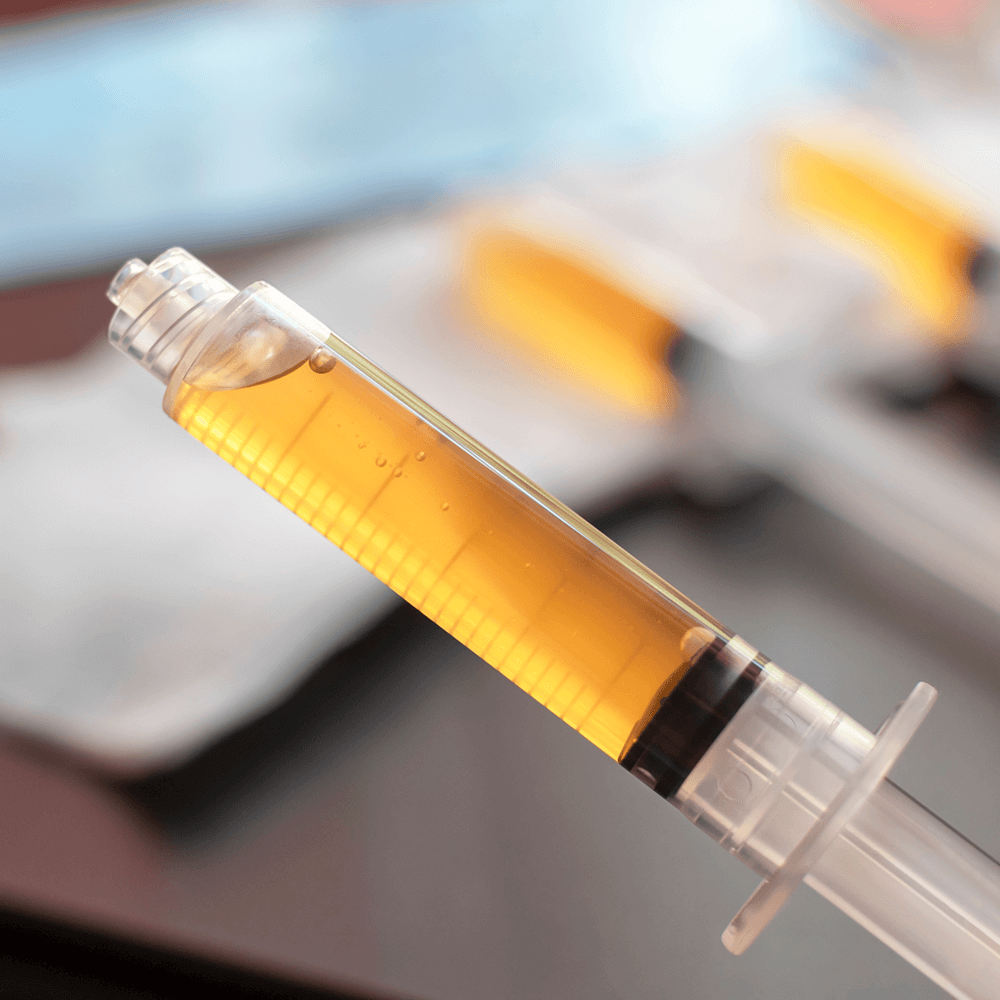
The result is a golden-colored serum packed with regenerative and healing properties, which is then applied or injected into targeted areas of the skin or scalp. The high concentration of platelets and growth factors gives PRP its unique healing properties. Because PRP comes from your own body, it’s biocompatible, natural, and carries minimal risk of allergic reaction.
How PRP works in aesthetic treatments
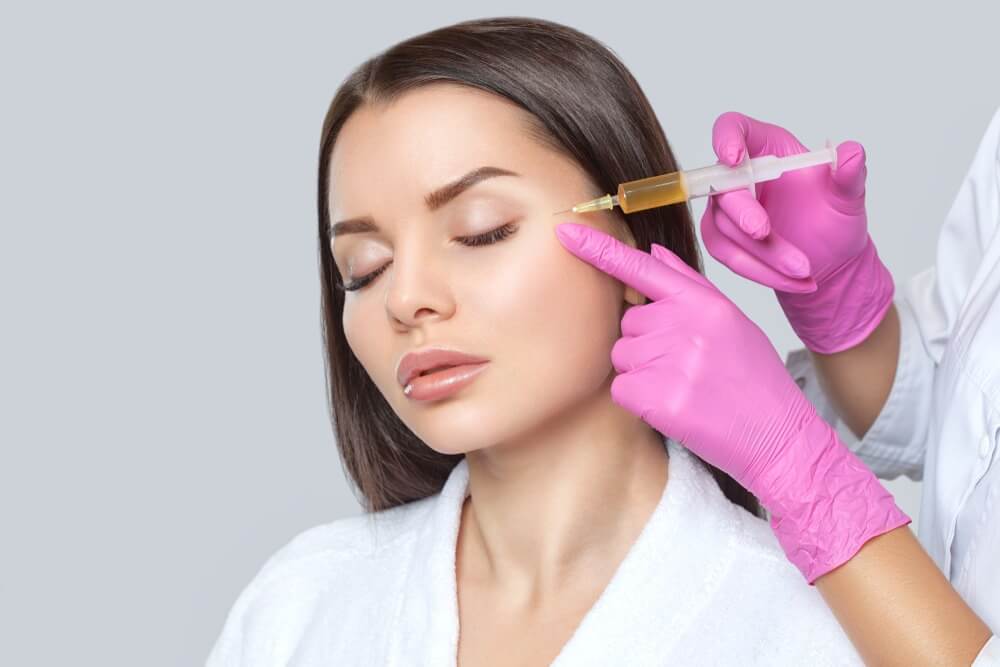
PRP works by stimulating your body’s natural healing response. When applied or injected, it signals cells to increase collagen production, improve blood flow, and repair damaged tissue. PRP injections can help promote healing, provide pain relief, and reduce pain in treated areas. In aesthetics, this translates to:
- Improved skin texture and tone
- Increased firmness and elasticity
- Enhanced healing after treatments
- Thicker, healthier hair growth
PRP injections can also help alleviate painful symptoms and promote healing in orthopedic conditions, and may even delay the need for joint replacement surgeries.
PRP doesn’t add volume or freeze muscles like fillers or Botox. Instead, it improves the quality of your skin and tissue over time, making it an excellent option for patients seeking natural, progressive results.
PRP for Skin Rejuvenation
PRP is most commonly used alongside microneedling or injected into areas with fine lines, crepey skin, or dull texture. When combined with microneedling, PRP penetrates deeper into the skin, accelerating collagen production and recovery. Benefits include:
- Brighter, more even skin tone
- Reduction in fine lines and pores
- Improved skin firmness
- Faster healing and less downtime
PRP is especially popular for delicate areas like the under-eyes, neck, and décolletage, where traditional fillers may not be ideal.
Beyond aesthetics, PRP injections are also used primarily for soft tissue injuries, such as minor Achilles tendon tears, highlighting their versatility.
PRP for Hair Restoration
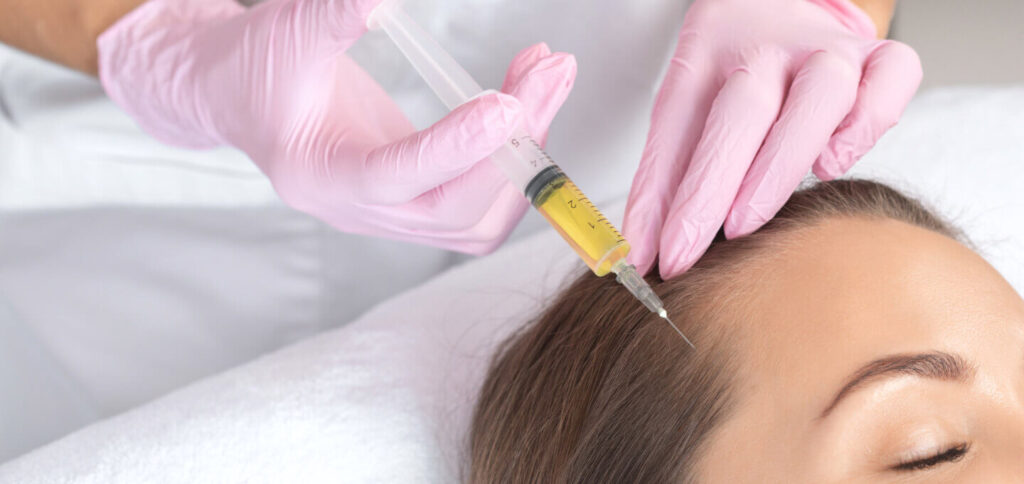
PRP is also a highly effective option for hair thinning and early hair loss in both men and women. When injected into the scalp, PRP improves blood supply to hair follicles and stimulates dormant follicles back into the growth phase. Patients often see:
- Reduced hair shedding
- Increased hair density
- Stronger, thicker hair strands
PRP works best when started early and is often done as a series for optimal results.
In addition to hair restoration, PRP injections are increasingly used to help active adolescents and adults with sports injuries, demonstrating their effectiveness in a variety of conditions.
PRP Injection Procedure
The PRP injection procedure is a minimally invasive treatment designed to harness your body’s own healing abilities. The process begins with a simple blood sample drawn from your arm, using your own blood to ensure safety and compatibility. This blood is then placed in a centrifuge machine, which spins rapidly to separate the different blood cells—red blood cells, white blood cells, and platelets. Through this process, a high concentration of platelet-rich plasma (PRP) is produced, containing special proteins and growth factors that play an important role in the healing process.
Once the platelet-rich plasma is prepared, it is carefully injected into the injured area—such as a tendon, joint, or other tissues—using ultrasound guidance for precise placement. This targeted approach helps stimulate healing in the injured tissues and promotes recovery. The entire procedure typically takes less than an hour, and because it is minimally invasive, most patients can return to their normal activities soon after treatment. By using your own concentrated platelets and growth factors, PRP injections offer a natural way to support the body’s healing process and enhance recovery in a variety of orthopedic and musculoskeletal conditions.
Who is a good candidate for PRP?
PRP is ideal for patients who:
- Prefer natural, regenerative treatments
- Want gradual, long-lasting improvements
- Are you experiencing early signs of aging or hair thinning
- Want to enhance results from microneedling or other procedures
- Are you seeking treatment for degenerative conditions such as osteoarthritis, as PRP injections can help improve joint function and reduce pain
PRP injections are a minimally invasive outpatient procedure, and the entire process of preparing and administering a PRP injection typically takes less than an hour. PRP can also be injected during a surgical process to augment healing and speed recovery.
Because PRP relies on your body’s own healing response, results build over time and continue to improve for several months.
Potential Risks of PRP Treatment
While PRP injections are generally safe and well-tolerated, it’s important to be aware of potential risks and complications. Some patients may experience discomfort, pain, or inflammation at the injection site, which can last for a few days following the procedure. As with any injection, there is a small risk of infection, though this is rare when the treatment is performed by an experienced doctor. Occasionally, patients might notice a temporary increase in pain or stiffness after the treatment, but these symptoms usually resolve on their own.
It’s also important to understand that PRP injections may not be effective for everyone, and individual results can vary. To minimize risks and ensure the best possible outcome, always choose a qualified doctor who specializes in PRP treatment and follow their post-procedure instructions closely. By being informed and proactive, patients can help reduce the likelihood of complications and make the most of their PRP experience.
When will I see results?
Most patients notice initial improvements within 4–6 weeks, with continued enhancement over 3–6 months as collagen production increases. Results are cumulative, especially when PRP is done in a series or paired with other treatments like RF microneedling,
lasers, or injectables.
Post-Procedure Care
After receiving PRP injections, it’s normal to experience some swelling, pain, or mild discomfort at the injection site for several days. To help manage these symptoms, patients can apply ice packs, use over-the-counter pain relievers as recommended by their doctor, and rest the affected area. It’s crucial to follow your doctor’s instructions regarding physical activity—often, you’ll be advised to avoid strenuous exercise or heavy lifting for a few weeks to allow the injured tissues to heal properly.
Physical therapy may be recommended as part of your recovery plan to improve mobility and strengthen the treated area. Staying attentive to your body and reporting any unusual symptoms or concerns to your doctor can help prevent complications and support a smooth recovery. By following these guidelines and taking care of the treated tissues, patients can maximize the benefits of PRP treatment and return to their normal activities with improved function and reduced pain.
Why we love PRP
PRP is one of our favorite treatments because it enhances so many services we already offer. It supports healing, boosts collagen, and elevates results without adding synthetic materials. Whether you’re focused on skin rejuvenation, hair restoration, or optimizing your
aesthetic treatments, PRP is a powerful, natural tool that works from the inside out.
Call or text (949) 631-2800 to schedule a consultation and find out if PRP is right for you. Stay tuned for our next edition of The NB Edit, where we’ll continue breaking down the treatments everyone’s talking about.